If you’re planning a trip through western Japan, there’s a good chance you’ll pass through Okayama without giving it much thought. Sitting on the Sanyo Shinkansen line between Osaka and Hiroshima, it’s often seen as little more than a transport hub.
That would be a mistake.
Known as Japan’s “Land of Sunshine”, Okayama Prefecture offers some of the country’s most beautiful gardens, one of Japan’s best-preserved historic districts, an original mountain-top castle, relaxing hot springs, spectacular scenery and some of the sweetest fruit you’ll ever taste. Better still, many of its biggest attractions are far less crowded than similar destinations elsewhere in Japan.
Whether you’re looking for a day trip from Osaka, a weekend getaway, or a slower-paced alternative to Kyoto, Okayama has plenty to offer.
In this guide, we’ll cover the prefecture’s must-see attractions, local food, travel tips and everything you need to know before you visit.
In This Post
Why Visit Okayama?
Okayama strikes a balance that many parts of Japan struggle to achieve. It has world-class attractions without overwhelming crowds, excellent transport links without the frantic pace of larger cities, and enough variety to suit almost every type of traveller.
History lovers can explore centuries-old castles, shrines and merchant towns. Nature enthusiasts will find mountain landscapes, limestone caves and peaceful highlands. Foodies can sample regional dishes and fruit that’s famous throughout Japan, while families will appreciate the relaxed atmosphere and easy-to-navigate cities.
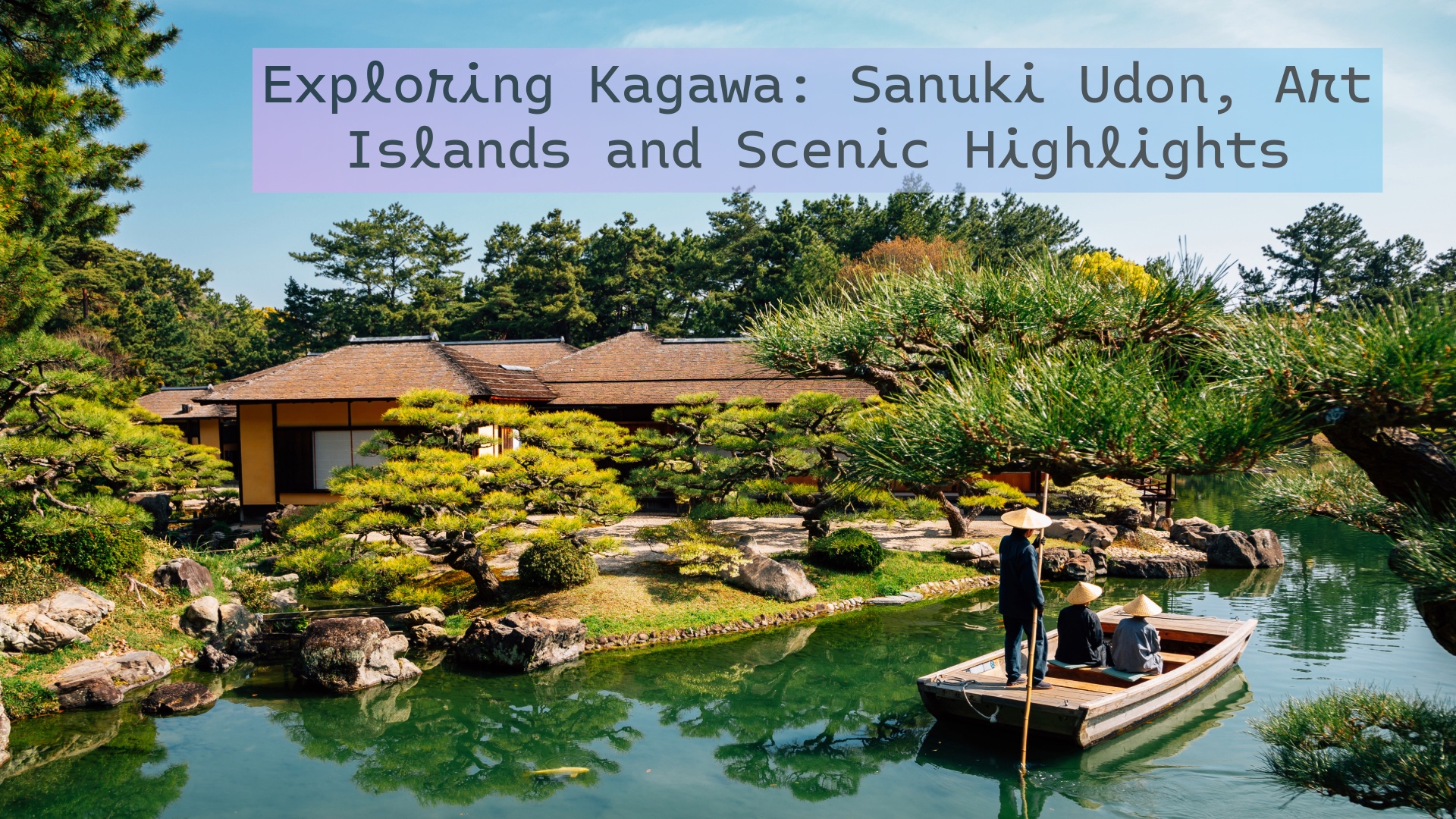
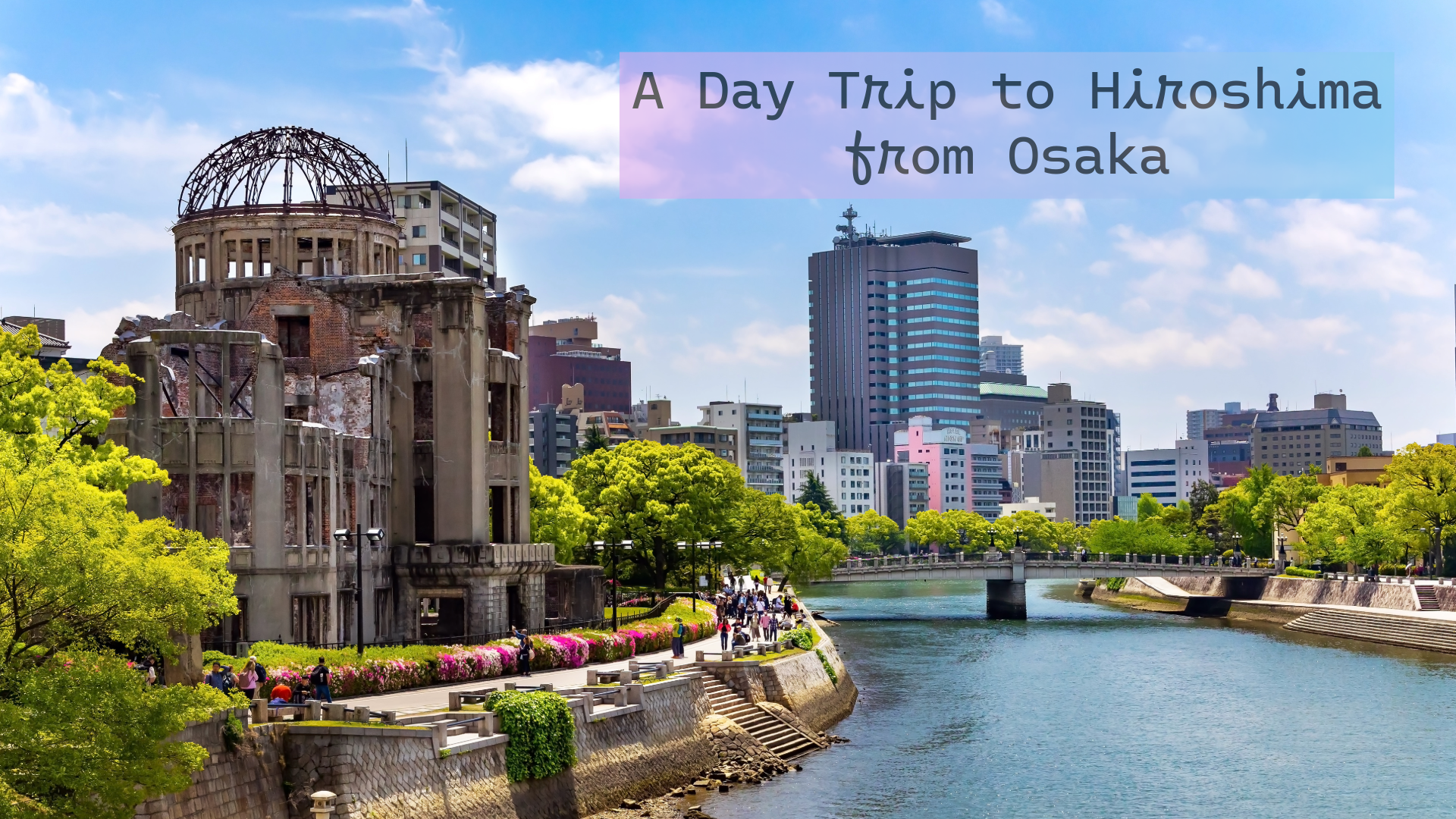
Thanks to its location, Okayama also makes an excellent base for exploring nearby destinations including Hiroshima, Kagawa, Naoshima and the Seto Inland Sea islands.
Explore Okayama City
Most visitors begin their journey in Okayama City, the prefecture’s capital. Compact, modern and easy to explore, it’s a pleasant city where many of the main attractions are within walking distance or a short tram ride from Okayama Station.
Korakuen Garden
Without question, the highlight of Okayama City is Korakuen Garden, regarded as one of Japan’s Three Great Gardens alongside Kenroku-en in Kanazawa and Kairaku-en in Mito.
Completed in 1700 for the Ikeda clan, Korakuen was designed as a place for relaxation and entertaining distinguished guests. Unlike many Japanese gardens that rely on dense planting, Korakuen feels spacious and open, with expansive lawns, winding streams, tranquil ponds, tea houses and carefully framed views of nearby Okayama Castle.
Every season offers something different. Cherry blossoms transform the garden during spring, lush greenery dominates summer, vibrant autumn colours attract photographers later in the year, and winter brings a peaceful atmosphere with far fewer visitors.
If you’re an early riser, try to arrive shortly after opening. The soft morning light and smaller crowds make it one of the most enjoyable times to explore.


Okayama Castle
Just across the Asahi River from Korakuen stands Okayama Castle, one of the city’s most recognisable landmarks.
Nicknamed the “Crow Castle” because of its distinctive black exterior, the original structure dates back to the late 1500s. Although it was destroyed during World War II, the castle has been reconstructed and underwent a major renovation before reopening in 2022.
Inside, you’ll find interactive exhibits that explain the history of the castle and the powerful Ikeda family who ruled the region during the Edo Period. Visitors can also learn about traditional Bizen pottery and even participate in hands-on experiences on selected days.
After exploring the castle, take a stroll along the riverside. The views across to Korakuen Garden are particularly beautiful in the late afternoon and after dark when the castle is illuminated.

Step Back in Time in Kurashiki
Only around 20 minutes from Okayama Station by train, Kurashiki is one of Japan’s finest preserved historical towns and should be on every visitor’s itinerary.
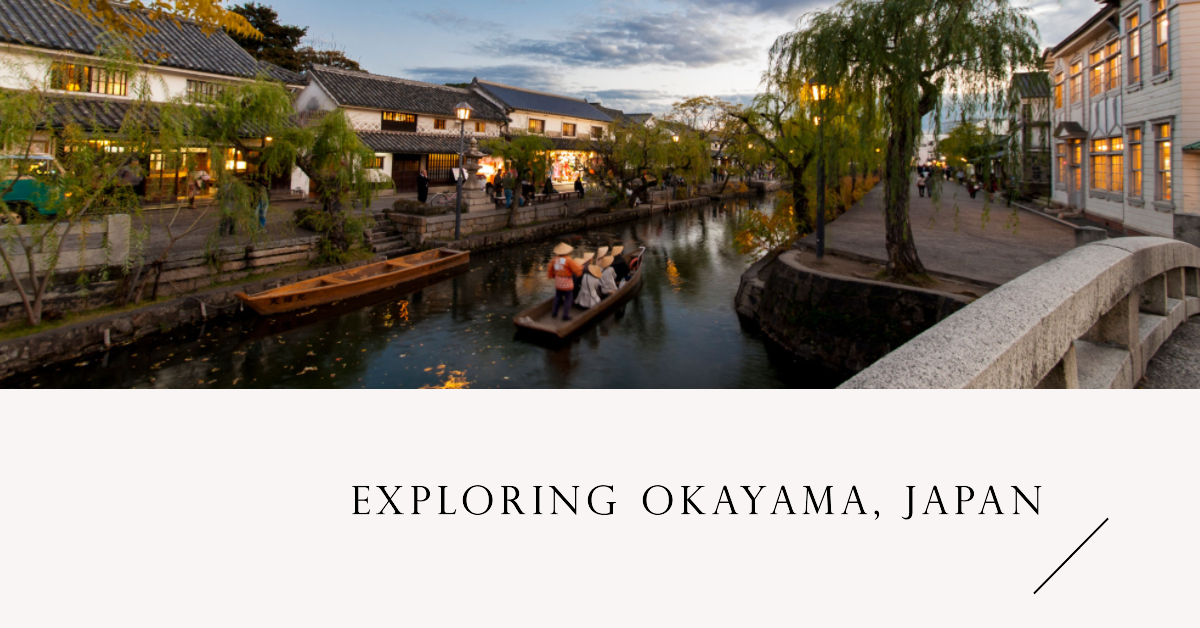
The heart of the city is the Bikan Historical Quarter, where white-walled storehouses, traditional merchant homes and willow trees line a picturesque canal. During the Edo Period, Kurashiki flourished as an important centre for storing and transporting rice, and much of that history remains beautifully preserved today.
Instead of becoming a museum piece, many of the historic buildings have found new life as cafés, boutique shops, galleries and small inns. This makes Kurashiki an enjoyable place simply to wander without any particular destination in mind.
Boat rides along the canal are available throughout the day, offering a unique perspective of the district, although many visitors find that exploring on foot allows them to appreciate the narrow streets and hidden alleyways even more.
If your schedule allows, spend at least half a day here. It’s one of those places where slowing down is part of the experience.


Ohara Museum of Art
Art lovers should also visit the Ohara Museum of Art, Japan’s first museum dedicated to Western art.
Opened in 1930, the museum features works by renowned artists including Monet, El Greco, Gauguin, Renoir and Picasso, alongside an impressive collection of Japanese modern art.
Even if you’re not usually interested in museums, it’s worth visiting simply because of its historical significance and beautifully designed galleries.
Discover the Legend of Momotaro at Kibitsu Shrine
Okayama proudly embraces its connection to the legendary folk hero Momotaro, or Peach Boy, and one of the best places to experience that heritage is Kibitsu Shrine.
Located a short train ride from central Okayama, the shrine is dedicated to Kibitsuhiko-no-Mikoto, who is believed to have inspired the famous legend.
The shrine itself is an architectural masterpiece. Its unique Kibitsu-zukuri roof style is found nowhere else in Japan, while the remarkable 360-metre covered corridor gently winds through the surrounding forest, creating one of the country’s most atmospheric shrine walks.
Visitors can also experience the unusual Narukama Shinji ritual, where the sounds produced by boiling water are interpreted to reveal fortunes.
Whether you’re interested in Japanese mythology, architecture or simply peaceful surroundings, Kibitsu Shrine is well worth the visit.


Visit Japan’s Highest Original Mountain Castle
For one of Okayama’s most spectacular sights, travel to the historic city of Takahashi.
Perched high on Mount Gagyu is Bitchu Matsuyama Castle, one of only twelve original castles remaining in Japan and the country’s highest surviving mountain castle.
Unlike many reconstructed castles, this one has stood for centuries.
The walk to the summit takes around 20 minutes from the nearest parking area and involves a steady uphill climb, but the reward is panoramic views across the surrounding mountains and valleys.
If you’re visiting during autumn, you may be lucky enough to witness the castle rising above a sea of clouds, creating one of Japan’s most iconic landscapes.
Escape to Northern Okayama
Many visitors never venture beyond the southern half of the prefecture, but northern Okayama offers some of its most rewarding scenery.
Hiruzen Highlands
Surrounded by rolling mountains, the Hiruzen Highlands are one of western Japan’s favourite outdoor destinations.
The area is popular for cycling, hiking, camping and scenic drives, while local dairy farms produce excellent cheese, yoghurt and the famous Hiruzen Jersey milk.
During summer, the cooler temperatures provide a welcome escape from the heat found in many Japanese cities.
Winter transforms the region into a popular destination for skiing and snowboarding.
Yubara Onsen
Nearby Yubara Onsen has been attracting visitors for generations.
Its most famous attraction is Sunayu, a large open-air hot spring located directly beside the river. Surrounded by mountains and flowing water, it’s considered one of Japan’s best outdoor bathing experiences.
Several traditional ryokan in town also offer private baths and overnight stays, making Yubara an excellent place to unwind after exploring northern Okayama.
Explore the Underground World of Niimi’s Limestone Caves
If you’re looking for something a little different, head to the city of Niimi, home to two of Okayama Prefecture’s most impressive limestone caves.
Ikura Cave is the larger of the two, stretching for around 1,200 metres through the mountainside. Inside, you’ll discover towering stalactites, underground streams and a spectacular 50-metre waterfall cascading through the cave. The naturally cool temperature makes it a refreshing escape during the hot summer months, while the dramatic lighting highlights the cave’s remarkable rock formations.
Just a short drive away is Makido Cave, a smaller but equally fascinating cave known for its colourful illuminated displays, underground pools and unique limestone formations. At around 450 metres in length, it’s easier to explore and has a more intimate atmosphere. The cave has also featured as a filming location for the classic Japanese mystery Village of Eight Graves.
If time allows, it’s well worth visiting both caves, as each offers a completely different underground experience. Comfortable footwear is recommended, as both involve walking on uneven paths and climbing a number of steps.


Don’t Miss Kojima – The Birthplace of Japanese Denim
Many travellers don’t realise that Japan’s world-famous premium denim industry began in Kojima, located in southern Okayama.
Today, Kojima Jeans Street has become a pilgrimage site for denim enthusiasts, with dozens of specialist stores selling jeans, jackets, bags and accessories produced by local manufacturers.
Even if fashion isn’t your main interest, the colourful streets, creative displays and relaxed atmosphere make it an enjoyable stop.
While you’re in the area, consider visiting nearby Washuzan Observatory, where you’ll enjoy spectacular views across the Seto Ohashi Bridge and the islands of the Seto Inland Sea.
Sunset is an especially beautiful time to visit.
Taste the Best of Okayama
One of the highlights of visiting Okayama is the food.

The prefecture’s sunny climate and fertile land produce some of Japan’s finest fruit, while the Seto Inland Sea provides an abundance of fresh seafood.
Some local specialities worth trying include:
- Barazushi – A colourful local sushi topped with fresh seafood and seasonal vegetables.
- Demi-katsudon – A crispy pork cutlet served with rich demi-glace sauce instead of the traditional egg topping.
- Ebimeshi – Fried rice cooked in a savoury dark sauce and topped with prawns, a local Okayama favourite.
- Hiruzen Yakisoba – A regional noodle dish from northern Okayama featuring chicken and a distinctive miso-based sauce.
- White Peaches – Widely regarded as some of Japan’s sweetest and most delicate peaches.
- Shine Muscat Grapes – Large, incredibly sweet grapes that are one of Okayama’s signature products.
- Jersey Ice Cream – Made using rich milk from the Hiruzen Highlands.
If you’re visiting during summer, keep an eye out for roadside fruit stalls where you can often buy freshly harvested peaches and grapes directly from local growers.
Getting Around Okayama
One of Okayama’s greatest strengths is how easy it is to explore.
The southern part of the prefecture, including Okayama City, Kurashiki and Kibitsu Shrine, is well served by trains and can comfortably be explored using public transport.
If you’re planning to visit destinations such as Hiruzen Highlands, Yubara Onsen or some of the more remote mountain villages, hiring a rental car will give you much greater flexibility.
Okayama Station also serves as a major Shinkansen stop, making day trips from Osaka, Kyoto, Hiroshima and even Fukuoka straightforward.
When is the Best Time to Visit?
Klook.comOkayama is a destination that can be enjoyed year-round, although each season offers something a little different.
Spring is ideal for cherry blossoms and comfortable sightseeing weather.
Summer brings lush green landscapes, fruit season and local festivals, although temperatures can become quite warm.
Autumn is arguably the best time to visit, with colourful foliage, pleasant temperatures and excellent conditions for exploring both cities and mountain areas.
Winter is generally mild in southern Okayama, while the northern highlands often receive snow, creating opportunities for winter sports and scenic mountain landscapes.

Is Okayama Worth Visiting?
Absolutely.
Okayama may not receive the same attention as Kyoto, Osaka or Hiroshima, but that’s precisely part of its appeal. It offers many of the experiences travellers come to Japan for—historic castles, traditional streets, beautiful gardens, exceptional food and stunning scenery—without the overwhelming crowds found in some of the country’s most famous destinations.
Whether you’re spending a day exploring Korakuen Garden and Kurashiki, soaking in a riverside hot spring, shopping for Japanese denim or enjoying freshly picked peaches straight from the orchard, Okayama rewards those willing to venture just a little further off the typical tourist trail.
If you’re looking for an authentic, relaxed and incredibly varied destination in western Japan, Okayama Prefecture deserves a place on your itinerary.