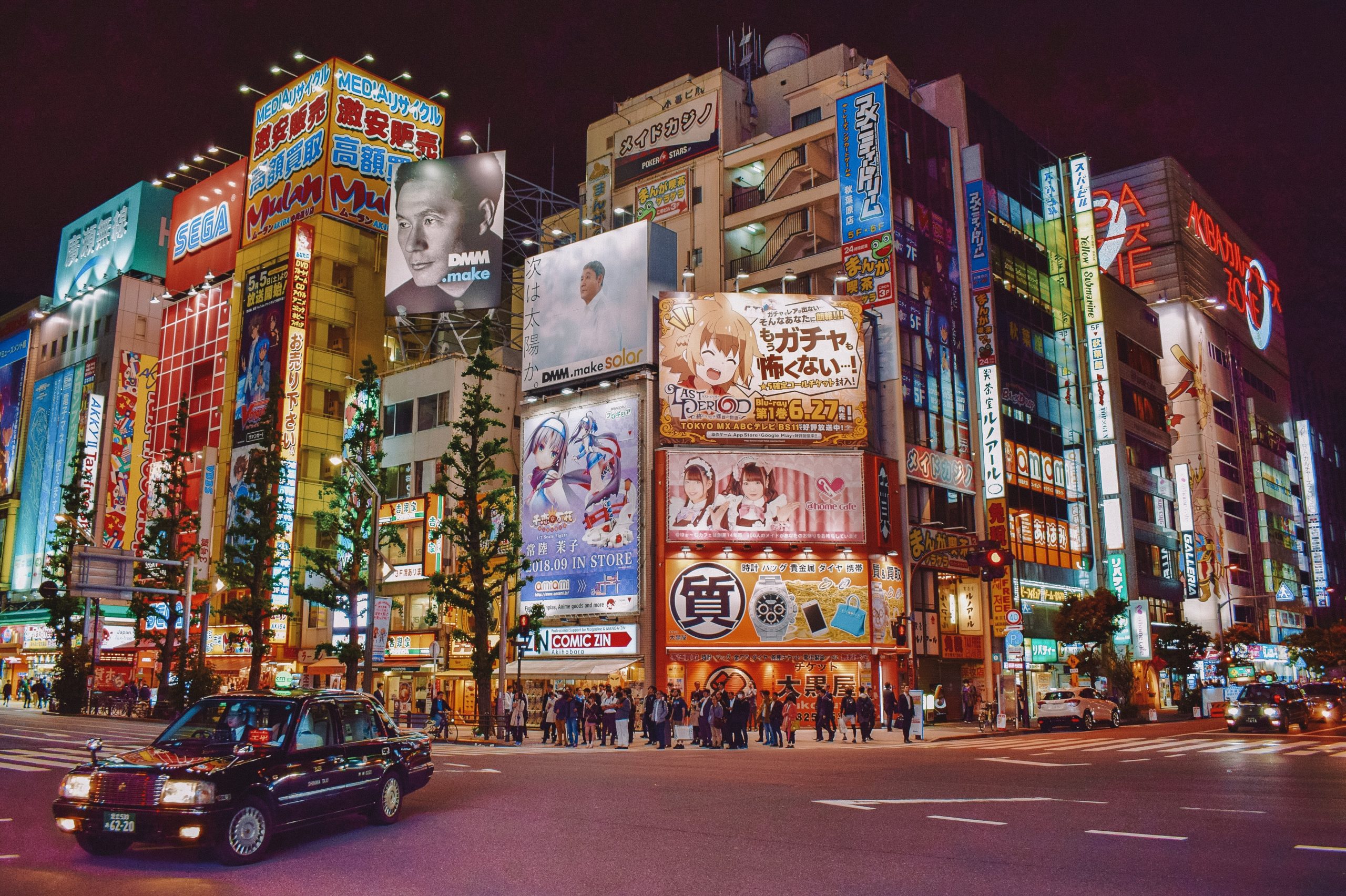
Tokyo is Japan’s capital and one of the most exciting cities in the world. It’s a place where traditional culture and modern life exist side by side—where you can visit a historic temple in the morning and explore neon-lit streets at night.
For many travellers, Tokyo is the starting point of a trip to Japan. While it can feel overwhelming at first, the city is incredibly organised and easy to navigate once you understand its layout. Each area has its own distinct atmosphere, making Tokyo feel like a collection of smaller cities rather than one large metropolis.
In this Post:
What Makes Tokyo Unique?
What sets Tokyo apart is its variety. Few cities offer such a wide range of experiences in one place.
You can explore centuries-old temples, shop in some of the world’s most advanced retail districts, enjoy peaceful parks and gardens, and experience cutting-edge technology—all within a single day.
Tokyo is also one of the best food cities in the world. From high-end sushi restaurants to small ramen shops and casual izakayas, the quality and variety of food is exceptional at every price level.
Klook.comBest Areas to Explore in Tokyo
Tokyo is made up of distinct neighbourhoods, each offering a completely different experience. Understanding these areas will help you plan your visit more effectively.
Shibuya
Shibuya is one of Tokyo’s most famous districts, known for the iconic Shibuya Crossing and its lively atmosphere. The area is filled with shops, restaurants, and entertainment options, making it a great place to experience modern Tokyo.

It’s also a popular nightlife area, with plenty of bars and casual dining spots.
Shinjuku
Shinjuku is a major transport hub and one of the busiest areas in Tokyo. It’s known for its skyscrapers, shopping, and nightlife.
The district is home to Kabukicho, Tokyo’s entertainment and nightlife area, as well as quieter spots like Shinjuku Gyoen, a large park that offers a peaceful escape from the city.
Asakusa
Asakusa offers a glimpse into Tokyo’s past. The area is centred around Senso-ji Temple, the city’s oldest and most famous temple.
The surrounding streets are lined with traditional shops and food stalls, making it a great place to experience a more historic side of Tokyo.
Harajuku

Harajuku is known for its youth culture and unique fashion. Takeshita Street is the centre of the action, filled with trendy shops, street food, and colourful crowds.
Just a short walk away, Meiji Shrine provides a completely different atmosphere, with a quiet forest setting that feels far removed from the busy streets nearby.
Ginza
Ginza is Tokyo’s upscale shopping and dining district. It’s known for luxury brands, department stores, and high-end restaurants.
The area has a more refined and relaxed atmosphere compared to other parts of the city, especially in the evening.
Top Things to Do in Tokyo
Tokyo offers an almost endless number of attractions, but there are a few experiences that most visitors should prioritise.
Visit Senso-ji Temple in Asakusa to experience one of Tokyo’s most important cultural landmarks. Then head to Shibuya Crossing to see one of the busiest intersections in the world.
Observation decks such as Tokyo Skytree and the Tokyo Metropolitan Government Building offer excellent views of the city. For something more relaxed, parks like Ueno Park and Shinjuku Gyoen provide green spaces to unwind.
Tokyo also offers a range of unique experiences, from themed cafés to interactive museums and seasonal events throughout the year.
Food in Tokyo
Tokyo is widely regarded as one of the best food cities in the world, offering something for every taste and budget.
You’ll find everything from Michelin-starred restaurants to small, local eateries serving simple but high-quality dishes.
Popular options include sushi, ramen, tempura, and casual izakaya dining. Areas like Tsukiji Outer Market are especially popular for fresh seafood, while neighbourhoods across the city offer their own local specialities.
Day Trips from Tokyo
One of Tokyo’s biggest advantages is its location. Thanks to Japan’s efficient transport system, there are several excellent day trips that can easily be done in a single day.
Hakone is a popular choice, known for its views of Mount Fuji, hot springs, and scenic landscapes. It’s a great option if you want to experience nature without travelling too far from the city.
Nikko offers a mix of history and natural beauty, with ornate shrines set among forested mountains. It’s a UNESCO World Heritage area and one of the most culturally significant destinations near Tokyo.
For a coastal escape, Kamakura is an easy and rewarding trip. The city is home to the Great Buddha, historic temples, and relaxed seaside scenery.
If you’re looking for something more modern, Yokohama offers a waterfront setting, shopping, and one of Japan’s largest Chinatowns—all just a short train ride from Tokyo.
These day trips are ideal if you want to add variety to your itinerary while still using Tokyo as your base.

Tokyo offers countless attractions, experiences, and flavours to suit every traveller. From its iconic sights and historic districts to its bustling shopping streets and culinary delights, Tokyo truly has something for everyone. Whether you’re planning a short visit or an extended stay, I hope this guide to Tokyo will help you uncover the many facets of Japan’s dynamic capital.
Off the Beaten Path in Tokyo

While Tokyo’s main districts are well worth visiting, some of the city’s most memorable experiences can be found in quieter, lesser-known neighbourhoods.
Areas like Yanaka offer a glimpse into old Tokyo, with narrow streets, traditional shops, and a slower pace of life that feels far removed from the busy city centre. It’s one of the few places where you can still experience a more nostalgic atmosphere.
Shimokitazawa is another great option, known for its vintage shops, independent cafés, and relaxed, creative vibe. It’s popular with locals but often overlooked by first-time visitors.
For something a little different, Daikanyama offers a more refined experience, with stylish boutiques, modern architecture, and well-designed cafés. It’s a great place to slow down and explore at your own pace.
Exploring these areas gives you a deeper understanding of Tokyo beyond the major tourist spots—and often leads to some of the most memorable moments of your trip.
Getting Around Tokyo
Tokyo’s public transport system is one of the most efficient in the world.
The train and subway networks connect all major areas of the city, making it easy to get around. Using an IC card such as Suica or Pasmo simplifies travel, allowing you to tap in and out without buying individual tickets.
While the system may seem complex at first, signage is clear and available in English, and most routes are straightforward once you get used to them.
Best Time to Visit Tokyo
Tokyo is a year-round destination, with each season offering a different experience.
Spring is one of the most popular times to visit, with cherry blossoms attracting visitors from around the world. Autumn is also a great time, with cooler temperatures and colourful foliage.
Summer can be hot and humid, but it’s also festival season. Winter is quieter, with clear skies and fewer crowds.
Travel Tips for Tokyo
- Get an IC card for easy transport
- Avoid peak rush hours on trains
- Wear comfortable shoes for walking
- Carry some cash for smaller shops
- Plan your days by area to save time
Is Tokyo Worth Visiting?
Tokyo is one of the most diverse and exciting cities in the world. Whether you’re interested in history, food, shopping, or modern culture, there is something here for everyone.
It’s not just a place to visit—it’s a city to experience, and one that often becomes a highlight of any trip to Japan.