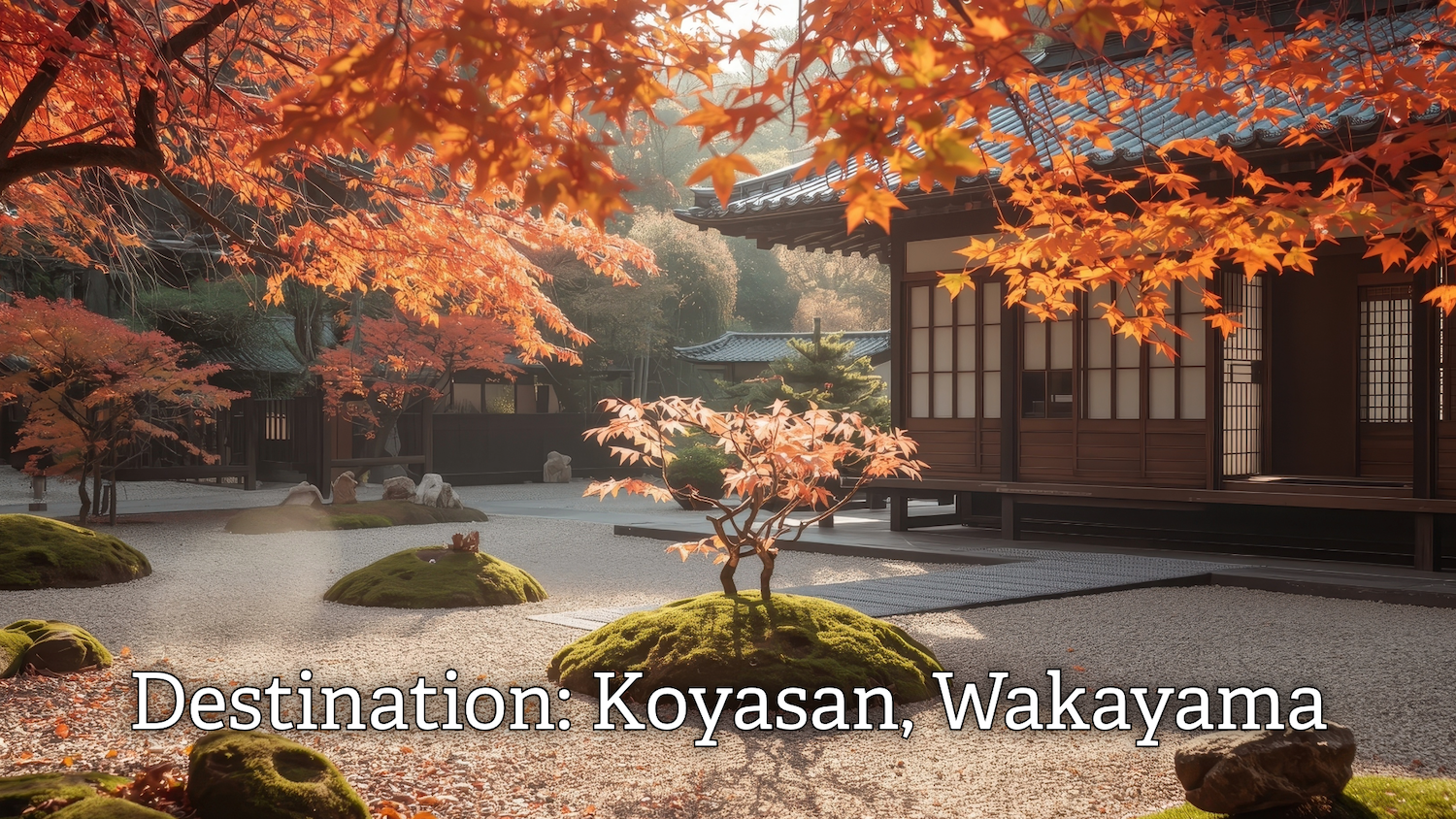
Hidden among the cedar-covered mountains of Wakayama Prefecture, Koyasan (Mt. Koya) is one of Japan’s most fascinating spiritual destinations. Home to over 100 temples, ancient pilgrimage routes, and the sacred resting place of Kobo Daishi, the founder of Shingon Buddhism, Koyasan offers visitors a chance to experience a quieter and more traditional side of Japan.
Located approximately 800 metres above sea level, the temple town has served as an important religious centre for more than 1,200 years. Today, visitors can stay overnight in Buddhist temples, enjoy traditional vegetarian cuisine, explore centuries-old religious sites, and walk through one of Japan’s most atmospheric cemeteries.
Part of the UNESCO-listed Sacred Sites and Pilgrimage Routes in the Kii Mountain Range, Koyasan remains an active place of worship while welcoming travellers from around the world.
Klook.comIn This Post
Why Visit Koyasan?
Unlike destinations focused on shopping, nightlife, or modern attractions, Koyasan offers visitors an opportunity to experience Japan’s spiritual and cultural heritage.
Founded in 816 by the monk Kukai, better known as Kobo Daishi, Koyasan became the centre of Shingon Buddhism and remains one of Japan’s most important religious sites. The mountain’s peaceful forests, historic temples, and centuries-old traditions create an atmosphere unlike almost anywhere else in the country.
Whether you are interested in Japanese history, Buddhism, photography, hiking, or simply escaping the crowds, Koyasan is one of the most rewarding destinations in the Kansai region.
Quick Facts About Koyasan
| Information | Details |
|---|---|
| Location | Wakayama Prefecture |
| Elevation | Approximately 800 metres |
| Founded | 816 AD |
| Founder | Kobo Daishi (Kukai) |
| Religion | Shingon Buddhism |
| UNESCO Status | Sacred Sites and Pilgrimage Routes in the Kii Mountain Range |
| Recommended Stay | 1–2 days |
| Travel Time from Osaka | Approximately 2–2.5 hours |
Things to Do in Koyasan
Most visitors spend their time exploring temples, walking through forested paths, attending Buddhist ceremonies, and enjoying the peaceful mountain atmosphere.
Okunoin Cemetery: The Most Important Site in Koyasan

The most famous and spiritually significant site in Koyasan is Okunoin Cemetery.
Stretching for approximately two kilometres through a cedar forest, it is Japan’s largest cemetery and contains more than 200,000 graves and memorials. As you walk along the stone pathway, you will pass monuments belonging to samurai families, feudal lords, monks, and even modern corporations.
The atmosphere is remarkably peaceful, particularly in the early morning and evening.
At the end of the path lies the mausoleum of Kobo Daishi. Followers believe that he remains in eternal meditation rather than having died. Before reaching the mausoleum, visitors cross Gobyo Bridge, where photography, eating, and drinking are prohibited out of respect.
Nearby is the Torodo, or Hall of Lanterns, where thousands of lanterns illuminate the darkness. Some are believed to have been burning continuously for centuries.
Kongobu-ji Temple
Kongobu-ji serves as the head temple of Shingon Buddhism and is one of Koyasan’s most important religious sites.
Visitors can explore beautifully preserved temple rooms decorated with painted sliding doors depicting scenes from nature. The temple’s peaceful atmosphere provides an excellent introduction to the aesthetics of Japanese Buddhism.
One of the highlights is the Banryutei Rock Garden, the largest rock garden in Japan. Its carefully arranged stones are said to represent dragons emerging from clouds.
Danjo Garan
Danjo Garan is considered the spiritual heart of Koyasan and was among the first temple complexes established by Kobo Daishi.
The most recognisable structure is the striking Konpon Daito, a large vermilion pagoda that symbolises the central teachings of Shingon Buddhism. Nearby stands the Kondo Hall, where many important religious ceremonies are held.
The layout of Danjo Garan reflects Kobo Daishi’s original vision for Koyasan as a sacred centre for Buddhist learning and practice.
Daimon Gate

The impressive Daimon Gate marks the traditional entrance to Koyasan.
Standing approximately 25 metres tall, it forms a symbolic boundary between the sacred mountain and the outside world. Two imposing guardian statues stand within the gate, protecting the temple town from evil spirits.
The area around Daimon also offers some of the best views in Koyasan, especially around sunset.
Reihokan Museum
For those interested in Buddhist art and history, the Reihokan Museum is well worth a visit.
Its collection includes Buddhist statues, paintings, mandalas, and religious artefacts gathered from temples throughout Koyasan. Many of these pieces are designated cultural treasures and provide valuable insight into the history of Shingon Buddhism.
Tokugawa Mausoleum
Often overlooked by visitors, the Tokugawa Mausoleum honours Tokugawa Ieyasu and his son Tokugawa Hidetada.
The ornate carvings and decorative architecture differ noticeably from the simpler style found elsewhere in Koyasan, making it a fascinating stop for history enthusiasts.
Staying at a Temple (Shukubo)
One of the most memorable experiences in Koyasan is staying overnight in a temple, known as a shukubo.
Around 50 temples offer accommodation to visitors, providing a unique opportunity to experience daily life within a Buddhist temple community.
A typical stay includes:
- Traditional tatami room
- Futon bedding
- Shared bathing facilities
- Shojin ryori dinner and breakfast
- Access to temple grounds
- Morning prayer ceremonies

Many temples also offer cultural activities such as:
- Ajikan meditation
- Sutra copying (shakyo)
- Guided temple tours
Participation is usually optional, although attending the morning prayers is highly recommended.
Popular temples for visitors include:
Staying overnight allows you to experience Koyasan after most day-trippers have departed, creating a much quieter and more atmospheric experience.
What to Eat in Koyasan
Shojin Ryori
Koyasan is famous for shojin ryori, the vegetarian cuisine traditionally eaten by Buddhist monks.
Rather than relying on meat or fish, the dishes focus on seasonal vegetables, tofu, mountain plants, and carefully balanced flavours.

Common dishes include:
- Sesame tofu (goma dofu)
- Seasonal vegetable tempura
- Simmered mountain vegetables
- Miso-based dishes
- Pickled vegetables
Goma dofu is considered a local speciality and is one of the foods most associated with Koyasan.
Even visitors who are not vegetarian are often impressed by the quality and variety of the cuisine.
Hiking to Koyasan
Choishi Michi Pilgrimage Trail
Long before railways reached Koyasan, pilgrims travelled on foot using mountain routes leading to the sacred site.
The most famous of these is the Choishi Michi Trail, a historic pilgrimage route beginning near Kudoyama.
The trail stretches approximately 22 kilometres and follows a series of stone markers known as choishi, which guided pilgrims to Koyasan for centuries.
Today, the trail offers hikers a rewarding way to experience both the natural beauty and religious history of the region.
Seasonal Highlights
Koyasan can be visited throughout the year, with each season offering a different experience.
Spring
Cherry blossoms usually bloom slightly later than in Osaka and Kyoto due to Koyasan’s higher elevation.
Summer
Temperatures are generally cooler than in nearby cities, making it a pleasant escape from the summer heat.
Autumn
The surrounding forests turn brilliant shades of red, orange, and yellow, creating some of the most beautiful scenery of the year.
Winter
Snow occasionally blankets the temple town, creating a peaceful and almost magical atmosphere.
Because of the mountain location, weather conditions can change quickly, so visitors should check forecasts before travelling.
Getting to Koyasan
Koyasan is easily reached from Osaka and is a popular overnight destination from the Kansai region.
The most common route is:
- Take the Nankai Koya Line from Namba Station to Gokurakubashi Station.
- Transfer to the Koyasan Cable Car.
- Take a local bus into the temple town.
The journey typically takes between two and two-and-a-half hours.
Many visitors purchase the Koyasan World Heritage Ticket, which includes discounted travel on trains, the cable car, and local buses.
Accessibility
Koyasan is generally accessible, although some historic areas present challenges.
- Local buses connect major attractions.
- Most roads are paved and easy to navigate.
- Some temple buildings have stairs.
- Okunoin contains uneven stone pathways and tree roots.
- Winter snow may occasionally affect walking conditions.
Visitors with limited mobility may find the local bus network helpful for reducing walking distances.
Suggested One-Day Itinerary
Morning
- Arrive in Koyasan
- Explore Danjo Garan
- Visit Kongobu-ji
Lunch
- Enjoy shojin ryori at a local restaurant
Afternoon
- Visit the Reihokan Museum
- Walk through Okunoin Cemetery
Evening
- Return to Osaka
Suggested Two-Day Itinerary
Day One
- Arrive in Koyasan
- Explore Danjo Garan
- Visit Kongobu-ji
- Walk through Okunoin
- Stay overnight in a temple
Day Two
- Attend morning prayers
- Enjoy a traditional breakfast
- Visit Daimon Gate
- Explore lesser-known temples and walking paths
- Return to Osaka
While Koyasan is relatively easy to visit independently, some travellers may prefer the convenience of joining a guided tour. These tours take care of the transport and planning while providing valuable insights into the history, culture, and religious traditions of Mt. Koya. For visitors short on time or looking for a more in-depth experience, a guided tour can be a great way to make the most of a visit.
Tips for Visiting Koyasan
- Stay overnight.
- Bring cash, as some smaller businesses may not accept cards.
- Dress respectfully when entering temples.
- Follow photography rules, especially in sacred areas.
- Wear comfortable walking shoes.
- Bring warmer clothing than you might expect, particularly outside summer.
Frequently Asked Questions
How long should I stay in Koyasan?
Most visitors stay one night, which provides enough time to explore the major attractions and experience temple lodging.
Is Koyasan worth visiting?
Absolutely. Koyasan offers one of Japan’s most unique combinations of history, spirituality, culture, and natural beauty.
Can you visit Koyasan as a day trip?
Yes, but an overnight stay allows you to experience temple accommodation and enjoy the quieter atmosphere after day visitors leave.
Do I need to book temple lodging in advance?
Yes. Temple accommodations are popular and often book out during weekends, holidays, and autumn foliage season.
Is Koyasan suitable for families?
Yes. While Koyasan is a religious destination, families often enjoy the forest walks, temple stays, and peaceful atmosphere.
Final Thoughts
From walking beneath centuries-old cedar trees in Okunoin Cemetery to spending the night in a Buddhist temple and enjoying traditional shojin ryori cuisine, Koyasan offers one of Japan’s most distinctive travel experiences.
Whether you are interested in history, religion, photography, hiking, or simply escaping Japan’s busy cities for a few days, Mt. Koya provides a memorable glimpse into Japan’s spiritual heart. With its UNESCO-recognised heritage, ancient temples, and mountain scenery, Koyasan remains one of the most rewarding destinations in Japan.
Note: Some of the links in this post are affiliate links. This means that at no additional cost to you, Visit Japan Plus may earn a commission if you make a booking through them.
We hope this guide helps you plan your visit to Koyasan. Be sure to explore our other Japan travel guides for more inspiration on where to go next.