Japan is a country of contrasts, where ancient traditions meet modern innovation. From neon-lit cityscapes to historic temples and peaceful coastal towns, each destination offers something completely different.
If you’re planning a trip, choosing where to go can feel overwhelming. That’s why we’ve put together this guide to the best cities in Japan to visit, covering a mix of iconic destinations and lesser-known gems.
Whether you’re looking for food, culture, history, or natural beauty, these cities will help you experience the very best of Japan.
Best Cities In Japan:
Tokyo: A Dynamic and Diverse Metropolis

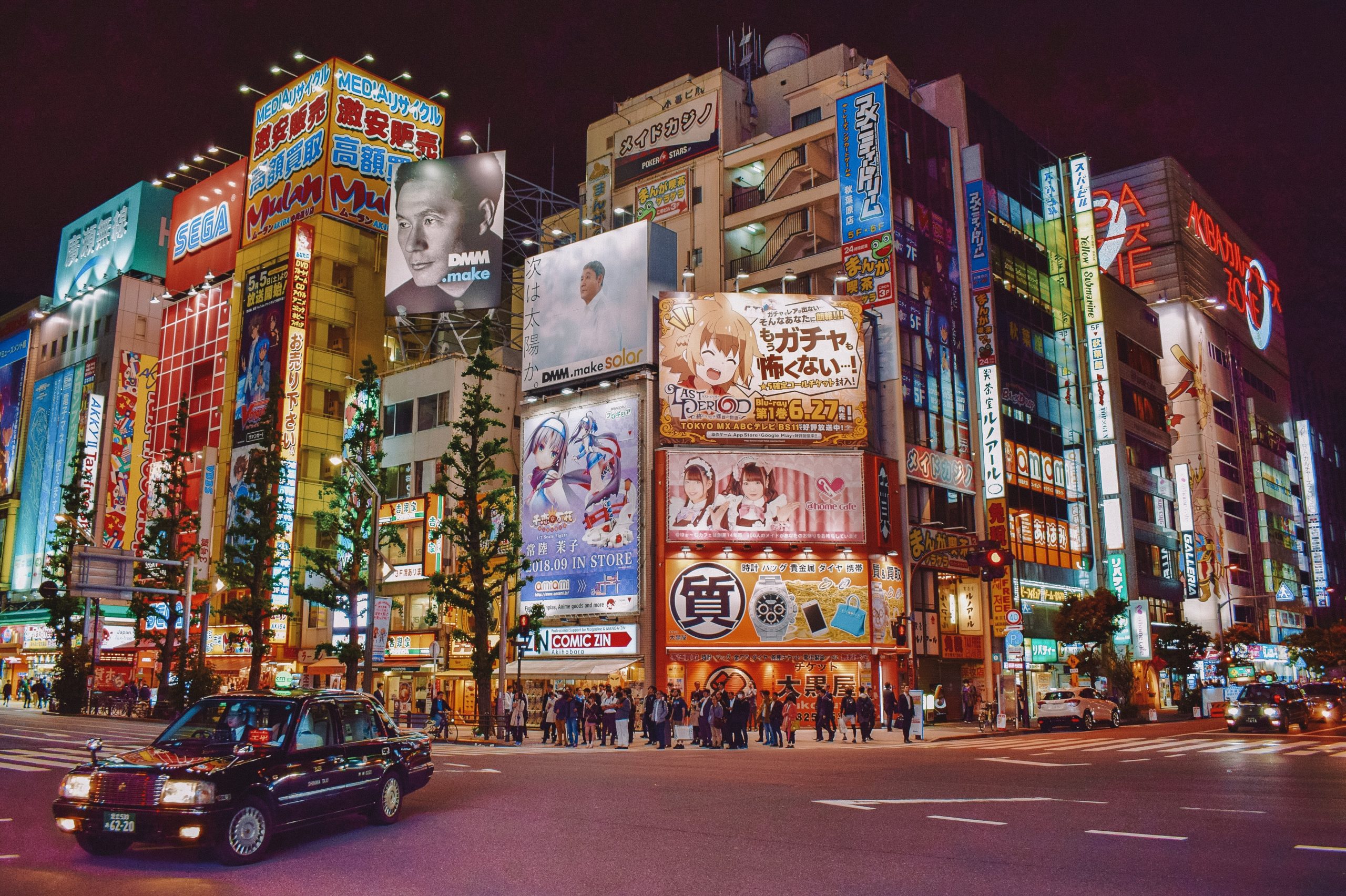
Tokyo, Japan’s capital, is a vast and energetic city where modern innovation meets deep-rooted tradition. From futuristic skylines to historic neighbourhoods, it offers an incredible range of experiences for every type of traveller.
Start in Shibuya to experience the famous Shibuya Crossing, one of the busiest pedestrian intersections in the world. From there, explore Harajuku’s colourful street culture and unique fashion scene.
For a more traditional side of Tokyo, head to Asakusa and visit Senso-ji Temple, the city’s oldest and most iconic temple. Nearby, Tokyo Skytree offers panoramic views across the sprawling city. Food lovers shouldn’t miss the Tsukiji Outer Market, where you can enjoy some of the freshest seafood in Japan.
Tokyo is a city that never feels repetitive—each district offers something completely different, making it an essential stop on any Japan itinerary.
Want to explore more?
Discover the best things to do in Tokyo, from iconic landmarks like Shibuya Crossing to hidden food spots and local experiences.
Kyoto: A Window to Japan’s Past

Kyoto is the cultural heart of Japan and the best place to experience the country’s traditional side. As the former imperial capital, it is home to countless temples, shrines, and preserved historic districts.
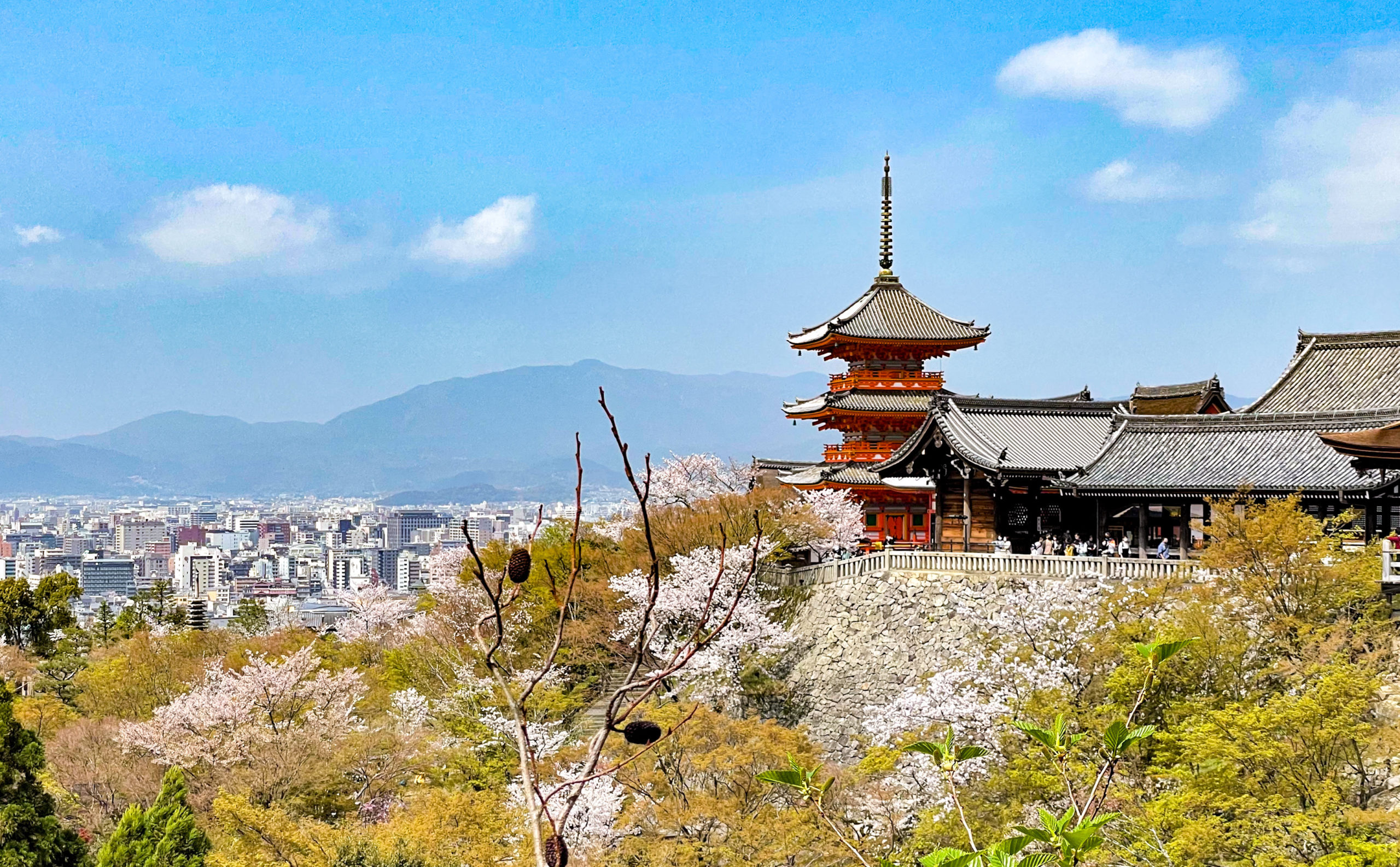
Begin your visit in the Higashiyama District, where narrow streets, wooden buildings, and historic temples create a timeless atmosphere. Highlights include Kiyomizu-dera Temple and the nearby Gion district, where you may even spot a geisha.
No trip to Kyoto is complete without visiting Fushimi Inari Shrine, famous for its thousands of red torii gates. For a more peaceful setting, head to Arashiyama, where the bamboo grove and Tenryu-ji Temple offer a quieter, scenic escape.
Kyoto is ideal for travellers looking to slow down and connect with Japan’s history, culture, and seasonal beauty.
Want to explore more?
Discover Kyoto’s top temples, traditional districts, and cultural experiences in this complete travel guide.
Osaka: A Foodie’s Paradise

Osaka is known as Japan’s kitchen, and for good reason. The city is famous for its vibrant food scene, friendly locals, and lively atmosphere.
Dotonbori is the heart of Osaka’s street food culture, where you can try local favourites like takoyaki and okonomiyaki while surrounded by bright neon lights and energetic crowds.
Beyond food, Osaka offers a mix of history and modern attractions. Osaka Castle provides a glimpse into Japan’s feudal past, while the Umeda Sky Building offers impressive views from its unique observation deck.
With its relaxed vibe and focus on food and entertainment, Osaka is one of the most enjoyable and approachable cities to visit in Japan.
Want to explore more?
Find the best things to do in Osaka, including street food, nightlife, and must-visit attractions.
Hiroshima: A City of Peace and Resilience

Hiroshima is a city that carries deep historical significance while offering a message of peace and hope.
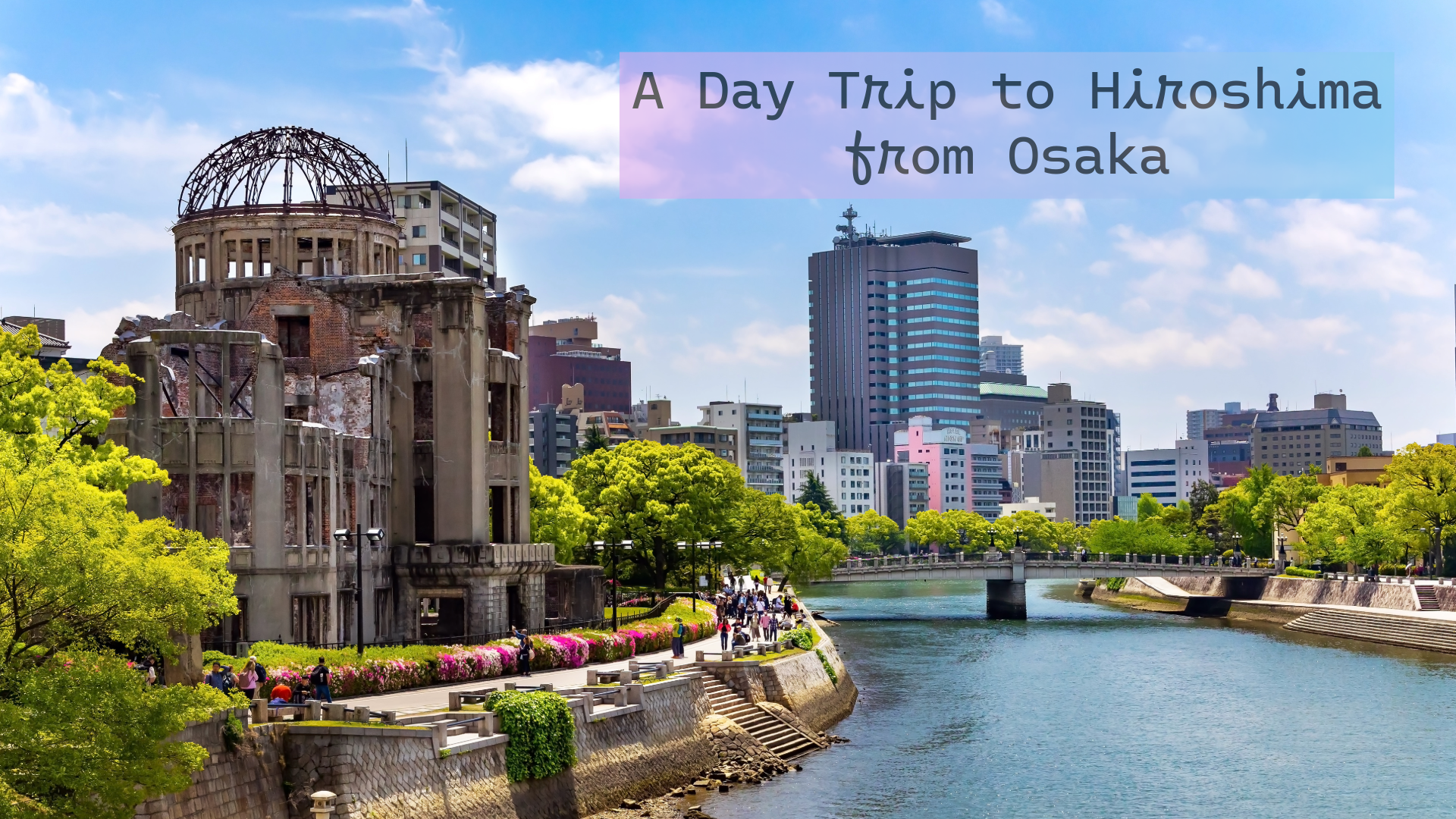
A visit to Hiroshima Peace Memorial Park is both powerful and educational. The Atomic Bomb Dome stands as a reminder of the past, while the Peace Memorial Museum provides important context and insight.
Just a short ferry ride away, Miyajima Island offers a completely different experience. Its iconic floating torii gate at Itsukushima Shrine is one of Japan’s most recognisable views. The island also features scenic walking trails, friendly deer, and local food stalls.
Today, Hiroshima is a welcoming and easy-going city, blending history, culture, and natural beauty.
Want to explore more?
Plan your visit to Hiroshima with this guide to the Peace Memorial Park, Miyajima Island, and local food.
Sapporo: Japan’s Northern Gem

Sapporo, the largest city in Hokkaido, is known for its seasonal beauty, open spaces, and excellent food.
The city is most famous for the Sapporo Snow Festival, held each winter, where massive snow and ice sculptures transform the city into a winter wonderland. In warmer months, parks like Odori Park and Moerenuma Park offer relaxing green spaces to explore.
Sapporo is also a top destination for food lovers. Fresh seafood, rich miso ramen, and local beer are all highlights, with the Sapporo Beer Museum offering a deeper look into the city’s brewing history.
With its balance of nature, food, and seasonal events, Sapporo offers a completely different experience from Japan’s main island cities.
Want to explore more?
Explore Sapporo’s seasonal highlights, from the Snow Festival to summer parks and local food spots.
Nara: Japan’s Ancient Treasures

Nara is one of Japan’s oldest cities and is known for its rich history and cultural landmarks.
The highlight of any visit is Nara Park, where hundreds of freely roaming deer have become a symbol of the city. Nearby, Todai-ji Temple houses one of the largest bronze Buddha statues in the world.
Nara’s compact layout makes it easy to explore on foot, and its relaxed atmosphere offers a quieter alternative to nearby Kyoto.
It’s a perfect destination for travellers interested in history, culture, and a slower pace of travel.
Want to explore more?
Discover Nara’s top attractions, including Nara Park, Todai-ji Temple, and its famous free-roaming deer.
Kanazawa: The Little Kyoto

Kanazawa is often referred to as “Little Kyoto” thanks to its well-preserved districts and strong cultural heritage.
The city is home to Kenrokuen Garden, considered one of Japan’s most beautiful landscape gardens. The nearby Higashi Chaya District offers a glimpse into traditional geisha culture, with historic teahouses and narrow streets.
Kanazawa is also known for its fresh seafood and high-quality sushi, thanks to its location along the Sea of Japan.
Less crowded than Kyoto but equally rich in culture, Kanazawa is a great choice for travellers looking to explore somewhere slightly off the main tourist route.
Want to explore more?
Explore Kanazawa’s historic districts, beautiful gardens, and traditional culture in this detailed guide.
Nagoya: Japan’s fourth-largest city

Nagoya is a major city located between Tokyo and Osaka, making it an important transport and industrial centre.
While often overlooked, Nagoya offers a mix of modern attractions and historical sites. Nagoya Castle is one of the city’s key landmarks, while the Toyota Commemorative Museum highlights Japan’s automotive innovation.
The city is also known for its unique local cuisine, including miso katsu and hitsumabushi (grilled eel).
With its convenient location and variety of attractions, Nagoya is a worthwhile stop when travelling along Japan’s main route.
Want to explore more?
Find the best things to do in Nagoya, from historic castles to unique local food and modern attractions.
Kobe: A Port of Culinary Delights

Kobe is a stylish port city known for its scenic setting between the sea and the mountains.
Famous for its premium Kobe beef, the city also offers a mix of international influences, historic architecture, and relaxed waterfront areas. The Kitano district features Western-style houses from Kobe’s early days as an international port.
For great views, head up Mount Rokko, or enjoy the harbour area around Meriken Park. Kobe’s compact size makes it easy to explore in a day, while still offering plenty to see and do.
It’s a great addition to any Kansai itinerary, especially for food lovers.
Want to explore more?
Discover Kobe’s top attractions, including Kobe beef, harbour views, and scenic mountain spots.
Fukuoka: A Dynamic Coastal City

Fukuoka is a modern, fast-growing city on the island of Kyushu, known for its relaxed atmosphere and excellent food scene.
The city is famous for its yatai (street food stalls), where you can enjoy local dishes like ramen in a casual and social setting. Fukuoka also offers easy access to beaches, parks, and nearby cultural sites.
With its mix of urban convenience and laid-back coastal vibes, Fukuoka is often considered one of Japan’s most liveable and visitor-friendly cities.
It’s an ideal destination for travellers looking to explore beyond the main tourist route.
Want to explore more?
Plan your visit to Fukuoka with this guide to street food, coastal attractions, and local culture.
Start Planning Your Japan Trip
Japan’s cities are incredibly diverse, each offering a unique experience—from the fast-paced energy of Tokyo to the historic charm of Kyoto and the relaxed coastal vibe of Fukuoka.
By combining a few of these destinations, you can create a well-balanced itinerary that showcases the very best of Japan.
Take your time, explore beyond the obvious, and start planning a trip you’ll never forget.