Japan’s major cities—Tokyo, Kyoto, and Osaka—continue to dominate travel itineraries. But beyond these well-trodden routes lies a region still largely undiscovered by international visitors: Tohoku.
In This Post
Now, thanks to a major update from East Japan Railway Company, exploring this beautiful and culturally rich region has become significantly easier. The new JR EAST PASS, launched on 14 March 2026, is designed to encourage travellers to venture further into eastern Japan—and it might just change the way people experience the country.
A New Era for Regional Travel in Japan
The updated JR EAST PASS replaces the previous regional passes with one unified option, offering far greater flexibility and convenience. Rather than juggling multiple tickets or passes, travellers can now move seamlessly across eastern Japan using a single rail pass.
This is a strategic move by JR East, aiming to boost tourism in Tohoku—a region that currently accounts for just 1.5% of overnight stays by inbound visitors. The goal is ambitious: increase that number to 5% by 2034 by making access easier and more appealing.
And honestly, it makes sense. Tohoku has everything—stunning seasonal landscapes, historic towns, festivals, hot springs, and far fewer crowds.
What Is the new JR EAST PASS?
The new JR EAST PASS offers unlimited travel on JR East lines, including:
Shinkansen (bullet trains) Limited express and express trains Local and rapid services Select partner railways like the Tokyo Monorail
Even better, the pass includes reserved seating in ordinary cars, which is a big advantage during peak travel periods.
Pricing Options
The pass comes in two straightforward formats:
5 consecutive days: ¥35,000 (Child: ¥17,500) 10 consecutive days: ¥50,000 (Child: ¥25,000)
For travellers planning multi-city trips, especially those including Shinkansen journeys, this can represent excellent value.
Why Tohoku Should Be on Your Radar
One of the biggest selling points of this new pass is how it unlocks Tohoku as a year-round destination.
🌸 Spring: Cherry Blossom Chasing
Tohoku’s cherry blossom season arrives later than Tokyo, making it perfect for travellers who missed peak bloom further south. Highlights include:
Miharu Takizakura – one of Japan’s most famous weeping cherry trees
Hirosaki Park – often considered one of the best sakura locations in Japan

🎆 Summer: Festivals and Cooler Weather
Escape Tokyo’s humidity and head north for:
Aomori Nebuta Festival – giant illuminated floats
Sendai Tanabata Festival – colourful streamers filling the streets


🍁 Autumn: Stunning Foliage
Tohoku’s mountains transform into vibrant landscapes of red, orange, and gold—perfect for scenic train journeys and ropeway rides.


❄️ Winter: Powder Snow Paradise
If you’re into skiing or snowboarding, Tohoku delivers world-class powder:
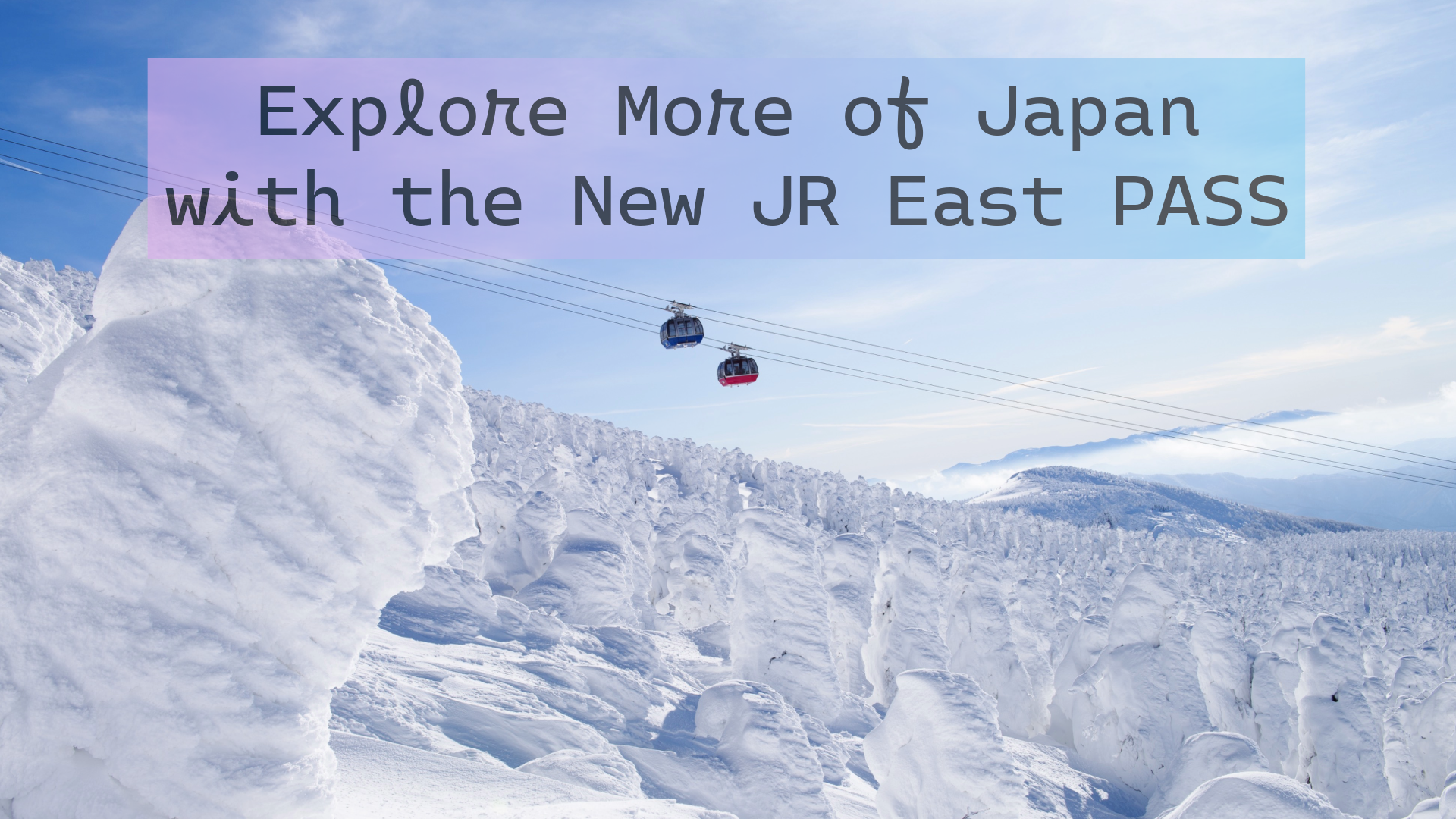
Zao Onsen – famous for its “snow monsters”
Appi Kogen – known for high-quality “Japow” snow
As highlighted in the press release images (pages 1–3), the region offers dramatic seasonal contrasts—from cherry blossoms framing Shinkansen tracks to deep snow blanketing traditional onsen towns.

Beyond Tohoku: Wide Coverage Across Eastern Japan
The JR EAST PASS doesn’t just cover Tohoku—it spans a large portion of eastern Japan, making it incredibly versatile.
You can also explore:
Nagano – alpine scenery and winter sports Niigata – coastal views and sake culture Gunma – hot springs and mountain retreats Kanagawa – home to Hakone and coastal destinations Chiba – beaches and Narita Airport access
It even includes Tokyo and surrounding areas, meaning you can start your journey in the capital and travel extensively without needing additional tickets.
Convenience and Cost Savings
One of the biggest advantages of the JR EAST PASS is simplicity.
Travelling between Tokyo and cities like Sendai, Akita, or Aomori can be expensive when purchasing tickets individually. With this pass:
You avoid multiple bookings You can reserve seats easily You gain flexibility to change plans
For travellers building a multi-stop itinerary, this is a major win.

Extra Perks: JRE Rewards
Pass holders also gain access to JRE Rewards, which offer discounts at:
Train stations Restaurants Local shops
It’s a nice bonus that adds extra value throughout your trip.
Who Can Use It?
One particularly interesting update is eligibility.
The JR EAST PASS is available to:
All non-Japanese passport holders Including foreign residents living in Japan
That last point is huge—especially for expats based in Japan looking to explore more of the country without the usual restrictions.
Where to Buy
You can purchase the pass through:
JR East Train Reservation website, JR EAST Travel Service Centres, major stations within the coverage area and selected overseas travel agencies
Final Thoughts: A Smart Move for Smarter Travel
Search for your ideal place to stay in Tohoku.
The expanded JR EAST PASS is more than just a transport ticket—it’s an invitation to explore a side of Japan many travellers overlook.
With overtourism becoming a growing concern in places like Kyoto and central Tokyo, this shift towards regional travel is both timely and necessary. Tohoku offers authenticity, natural beauty, and cultural depth—without the crowds.
For travellers planning their next Japan itinerary, this pass opens the door to something different. And for those already familiar with Japan, it’s the perfect excuse to go deeper.
Some links on this page are affiliate links. If you book accommodation, tours, or activities through them, I may earn a small commission at no extra cost to you. It helps support this site and allows me to continue sharing detailed travel guides. Thank you for your support.